Guide
Block Tales Party Support Build Guide
Block Tales Party Support Build is strongest when one player has a clear job instead of four players all chasing damage. Bodyguard can absorb part of an ally's incoming enemy damage. Good Vibes trades the user's turns for party HP and SP recovery. SP Wire moves SP from one player to another and cannot be used solo. Prayer is too random to be the only plan. In real fights, support should stop a known failure: one ally getting focused, the party running out of SP, or a boss turn forcing early healing.
Last updated: 2026-04-27
Quick Facts
| Bodyguard | Bodyguard costs 1 BP and 2 SP. |
|---|---|
| Bodyguard effect | Bodyguard redirects 50% of an ally's enemy damage to the user for 3 turns. |
| Bodyguard sources | Bodyguard is sold by Wealthy Merchant for 60 TIX and Sketchy Figure for 1 BUX. |
| Good Vibes | Good Vibes costs 2 BP and 3 SP. |
| Good Vibes effect | Good Vibes makes the user sleep for 3 turns, take halved damage while asleep, and grant party HP and SP each turn. |
| SP Wire | SP Wire costs 0 BP and transfers 5 SP from the user to another player. |
| SP Wire limit | SP Wire cannot be used in solo battles. |
| Prayer | Prayer costs 3 BP and 5 SP and gives a random effect. |
| Downed players | Downed players cannot select actions or be targeted by enemies. |
| Reviewed facts | Checked against current community wiki data on 2026-04-27. |
Block Tales Party Support Build roles
A support build should start with the party's failure point. If one player keeps getting hit, Bodyguard has a job. If the whole party runs out of SP, Good Vibes or SP Wire has a job. If everyone is healthy and stocked, more support cards can just slow the fight down.
The support player still needs to survive. A Bodyguard user who takes redirected damage without enough HP or healing turns into a second problem.
- Bodyguard: protect one player from enemy damage spikes.
- Good Vibes: trade user actions for party HP and SP recovery.
- SP Wire: move SP to the player whose next action matters most.
- Prayer: avoid relying on it as the only recovery plan.
When support is worth the lost damage
Support is worth it when the protected turn changes the fight. Bodyguard makes sense before a known enemy burst. Good Vibes makes sense in longer fights where the sleeping turns will pay back more HP and SP than the user would have dealt.
SP Wire is best when one player has the correct answer but not the SP to use it. It is worse when the party is simply spending too much SP on safe normal fights.
- Use support before the danger turn, not after the party is already downed.
- Do not put Good Vibes on a player who must act every turn.
- Feed SP to the player with the best answer, not the loudest request.
- Keep at least one direct damage plan in the party.
Party support mistakes
The common mistake is becoming passive. A support player who never attacks can stretch a boss long enough that the party needs even more healing.
The second mistake is supporting the wrong player. Bodyguard on a safe ally wastes turns. SP Wire to a player without a useful SP action does not solve anything.
- Do not use Bodyguard for status damage; the card is about enemy damage hits.
- Do not sleep through turns where the party needs your action.
- Do not build around Prayer unless the party can survive bad rolls.
- Do not ignore your own HP while protecting someone else.
FAQ
What is the best support card for party play?
It depends on the failure. Bodyguard protects one ally, Good Vibes restores party HP and SP over turns, and SP Wire moves SP to the player who needs it.
Can SP Wire be used solo?
No. SP Wire is a party card because it transfers SP from the user to another player.
Is Good Vibes safe in boss fights?
Only if the party can afford the user sleeping for 3 turns. It is better in longer fights than in turns where every action is needed.
Is Prayer reliable support?
No. Prayer has random results, so it should be treated as a gamble, not the core support plan.
Related Pages

Card
Bodyguard
Block Tales Bodyguard is a 1 BP support action card that costs 2 SP and protects an ally for 3 turns. The user absorbs 50% of the ally's enemy damage, rounded through the card's damage-split rules. It is strong in party play, but risky if the protector is already low.
Card
Good Vibes
Block Tales Good Vibes is a 2 BP support action card that costs 3 SP, puts the user to Sleep for 3 turns, and restores 2 HP and 2 SP to the party each turn. It is powerful in parties that can protect the sleeper, but awkward with Fine, Dodgy, Invisible, or any fight where the user cannot afford to lose turns.
Card
Prayer
Block Tales Prayer is a 3 BP action card that costs 5 SP and produces a random effect. Some outcomes heal, buff, revive, or apply useful pressure, while others can help enemies or hurt the user. It is a high-variance card, not a dependable recovery plan.
Card
HP+
Block Tales HP+ is a 3 BP passive card that raises current and maximum HP by 5. It is one of the best early safety cards because it gives more room for missed guards, bad enemy turns, and first-time boss learning. HP+ is found in Caves [1] and Dream Path D [2], and bought from Amber for 65 TIX. Pre-Demo 5 data listed a max stack of 4, with 3 obtainable copies. Use HP+ when dying is the problem. Do not equip it if the real failure is low damage or poor SP planning.
Card
SP+
Block Tales SP+ is a 3 BP passive card that raises current and maximum SP by 5. It is the simplest way to make an SP-heavy route less tight, especially before bosses or long areas. SP+ is found in Rugged Rainforest [19] and Scorched Ruins (C1), and bought from Amber for 45 TIX. Pre-Demo 5 data listed a max stack of 4, with 3 obtainable copies. Use SP+ when the bar is too small. Use SP Saver instead when repeated card costs are the real drain.
Guide
Boss Guide
Block Tales Boss Guide starts with preparation, because most failed attempts are decided before the first attack. Bring one reliable damage card, one recovery answer, and a plan for the boss's worst turn. Cruel King is the clean example: 30 HP, freeze moves, summons, and a heal plus DEF Up. Power Stab helps when the boss is alone. Linebounce helps when summons make the row messy. If the fight keeps failing, do not swap every card. Identify the exact failure: low HP, low SP, missed guards, enemy adds, or panic healing.
Guide
Card Build Basics
Block Tales Card Build Basics starts with one question: what is failing right now? If enemies live too long, add damage. If SP runs dry, use SP+ or SP Saver. If missed guards are killing the run, take HP+ or defense before more offense. Cards are not free just because they fit in the menu. Most cost BP to equip, active cards often spend SP, and stacked cards can raise both power and cost. A good build has one damage answer, one survival answer, and enough SP to use both when the route gets messy.
Boss
Cruel King
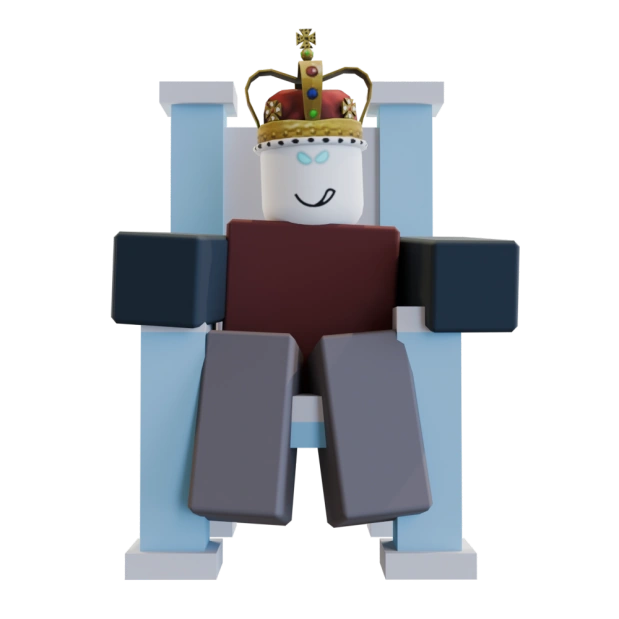
Block Tales Cruel King is the Chapter 1 final boss in Blackrock Castle. He has 30 HP, uses freeze pressure, can summon Loyal Knight or Crossbow Crony, and punishes players who enter the throne room with no SP plan.